


On November 18, 2026, Visa announced a significant expansion of its stablecoin payments in APAC, enabling eligible clients to fund cross-border payouts via its Visa Direct platform using supported stablecoins.
The initiative, initially piloted with Singapore-based digital payments company dtcpay, represents another step toward integrating blockchain infrastructure into mainstream financial operations.
Rather than replacing traditional payment systems, Visa is exploring how stablecoins can make existing financial infrastructure more flexible, particularly cross-border liquidity management and international money movement.
But what exactly is changing, and why does this development matter for the fintech and Web3 industries?
Section 01 of 07
Visa Expands Stablecoin Payments in APAC
Visa’s latest announcement introduces a new capability that allows eligible Visa Direct clients in Asia Pacific to use supported stablecoins to prefund cross-border payouts.
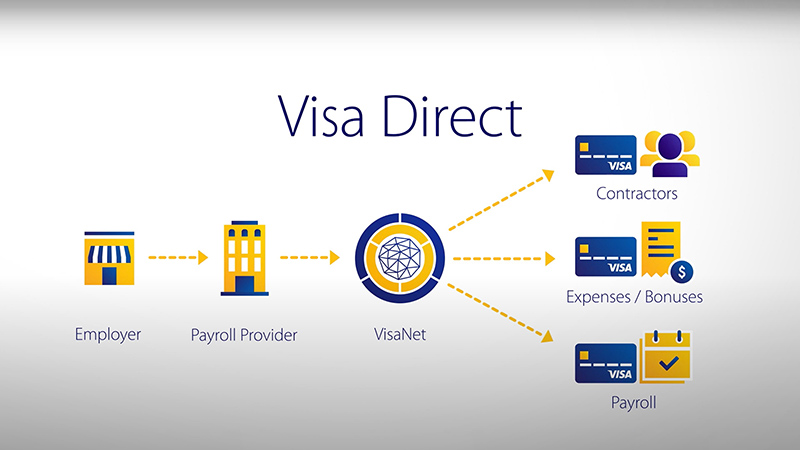
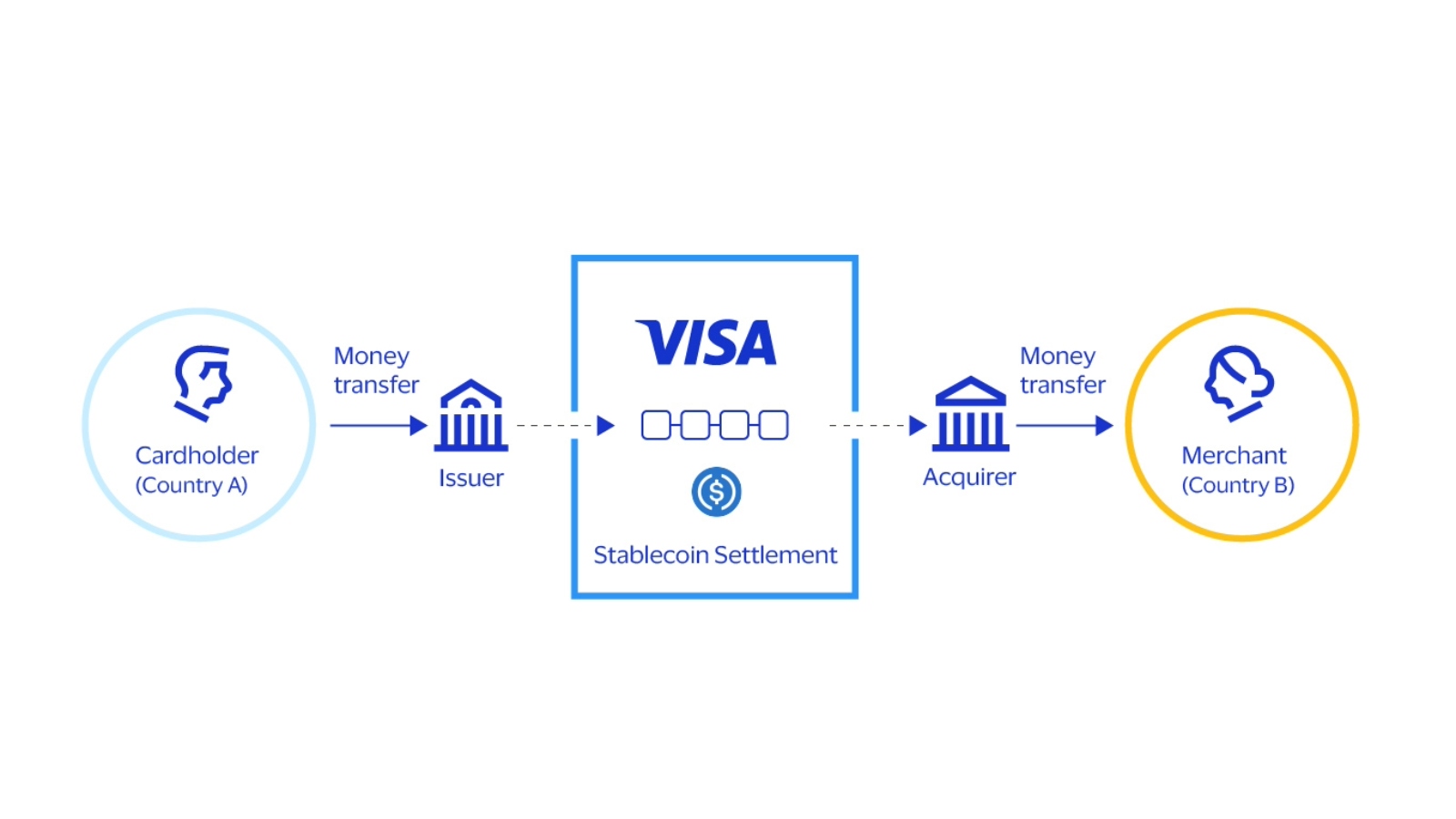
Through this model, businesses can use stablecoins to fund international payment transactions, while recipients continue receiving money in traditional fiat currencies.
The initiative is being piloted with dtcpay, a Singapore-based digital payments company.
Visa Direct connects businesses to a global money movement network of more than 18 billion endpoints, providing infrastructure for sending funds across borders.
According to Visa, stablecoin-based prefunding can offer businesses greater flexibility in managing short-term liquidity and funding international payouts.
The development builds on Visa’s earlier stablecoin initiatives. The company introduced stablecoin prefunding and payout pilots in 2025, followed by the commercial rollout of stablecoin-enabled prefunding in the United States with Inyo Global in October 2026.
The expansion into Asia Pacific signals Visa’s continued interest in bringing blockchain-based financial infrastructure into practical business applications.
Section 02 of 07
How Do Stablecoin-Powered Cross-Border Payments Work?
To understand the significance of this development, it is important to understand how stablecoin prefunding works.
Traditional cross-border payment systems often require payment providers to maintain sufficient fiat currency balances across different markets to process outgoing transactions.
This can create operational challenges, particularly for businesses operating across multiple currencies, banking systems and time zones.
Stablecoin-powered prefunding introduces an alternative funding mechanism.
Under Visa’s Asia Pacific pilot, the process works as follows:

Step 1: Stablecoin Funding
An eligible payment provider uses supported stablecoins to prefund international payouts through Visa Direct.
Step 2: Stablecoin Processing
Digital asset infrastructure partners support the integration, including stablecoin processing, currency conversion and compliance screening.
Step 3: Cross-Border Payment Processing
Visa Direct connects the funding process to its global money movement network to facilitate international payouts.
Step 4: Fiat Currency Payout
Recipients receive funds in their local fiat currency through the supported payout channels.
The important distinction is that stablecoins are used on the funding side of the transaction. Recipients do not necessarily need to hold digital assets or interact directly with blockchain networks.
This approach allows businesses to explore blockchain-based funding while maintaining a familiar payment experience for customers.
Section 03 of 07
Why Is Visa Investing in Stablecoin Payment Infrastructure?
Visa’s expansion reflects several broader developments in the global financial industry.

3.1. Improving Cross-Border Liquidity Management
Managing liquidity across multiple countries can be complicated for international payment providers.
Businesses may need to maintain funds in different currencies and financial institutions to ensure that outgoing payments can be processed efficiently.
Stablecoin-based prefunding offers another way to manage short-term funding requirements.
By introducing supported stablecoins into the funding process, eligible businesses may gain more flexibility when moving liquidity across markets.
3.2. Moving Beyond Traditional Banking Hours
International payments often involve different banking schedules, settlement processes and time zones.
Stablecoin infrastructure can support funding and settlement processes outside conventional banking hours, depending on the networks, partners and jurisdictions involved.
For payment providers operating across multiple markets, this flexibility could help improve treasury management and operational efficiency.
However, the final fiat payout may still depend on local payment systems and their operating schedules.
3.3. Connecting Traditional Finance With Blockchain
Perhaps the most significant development is the growing integration between traditional financial institutions and blockchain infrastructure.
Stablecoins are increasingly being explored for applications beyond cryptocurrency trading, including:
- International business payments.
- Corporate treasury management.
- Cross-border remittances.
- Digital asset settlement.
- Liquidity management.
Visa’s initiative demonstrates how blockchain infrastructure can be incorporated into existing financial systems without requiring businesses to completely replace their current payment operations.
Section 04 of 07
The Role of dtcpay and Triple-A in Visa’s Initiative
The expansion also highlights the importance of fintech infrastructure providers in connecting blockchain technology with traditional financial systems.
dtcpay
Based in Singapore, dtcpay is the initial pilot participant for Visa’s stablecoin-powered prefunding capability in Asia Pacific.
The company will use supported stablecoins to fund cross-border fiat payouts through Visa Direct.
Triple-A
Triple-A provides stablecoin payment infrastructure, including stablecoin processing, currency conversion and compliance screening.
Its role illustrates how specialized digital asset infrastructure providers can support the integration of blockchain-based funding into established payment networks.
Importantly, Visa clarified that regulated digital asset services are independently provided by licensed digital asset partners rather than by Visa itself.
This distinction highlights the importance of regulatory compliance and specialized infrastructure in scaling stablecoin-based financial services.
Section 05 of 07
What Does This Mean for the Future of Web3 and Fintech?
Visa’s latest development is more than another stablecoin announcement.
It reflects a broader shift in how the financial industry views blockchain technology.
For years, much of the cryptocurrency conversation focused on trading, speculation and decentralized finance.
Today, the discussion is increasingly expanding toward practical applications that address existing financial challenges.
Three developments deserve particular attention.
First, stablecoins are becoming part of financial infrastructure.
Their potential value extends beyond serving as digital representations of fiat currencies. They can also support funding, settlement and liquidity management across financial networks.
Second, traditional financial institutions are becoming more open to blockchain integration.
Rather than building entirely separate financial ecosystems, companies like Visa are exploring ways to connect onchain infrastructure with existing payment networks.
Third, infrastructure and compliance will become increasingly important.
Scaling stablecoin payments requires more than blockchain technology. Businesses also need reliable payment infrastructure, currency conversion capabilities, regulatory compliance and connections to local financial systems.
This creates opportunities for fintech companies, blockchain developers and digital asset infrastructure providers.
Section 06 of 07
Opportunities for Businesses and Web3 Companies
As stablecoin-powered payments continue to develop, several areas may attract greater attention from businesses and investors.

Payment Infrastructure
Companies developing payment gateways, blockchain payment solutions and cross-border transaction infrastructure may benefit from growing demand for integrated financial services.
Blockchain Development
The integration of blockchain networks with traditional financial systems creates demand for developers with expertise in smart contracts, blockchain infrastructure and payment integrations.
Compliance and Risk Management
Regulatory requirements, transaction monitoring and anti-money laundering controls remain essential for businesses operating in digital asset markets.
Fintech Product Development
Product managers and financial technology specialists will play an important role in translating blockchain capabilities into practical solutions for businesses and consumers.
For the Web3 talent market, this convergence creates opportunities beyond traditional cryptocurrency-focused roles.
Section 07 of 07
Frequently Asked Questions
1. What are stablecoin-powered cross-border payments?
Stablecoin-powered cross-border payments use digital currencies pegged to traditional assets, such as the US dollar, to facilitate funding or transferring money across international borders.
2. How is Visa using stablecoins for cross-border payments?
Visa is expanding its Visa Direct platform to allow eligible clients in Asia Pacific to use supported stablecoins to prefund international payouts. Recipients continue receiving payments in traditional fiat currencies.
3. Does Visa Direct allow recipients to receive stablecoins?
Not necessarily. Under the announced model, stablecoins are used to fund payouts, while recipients receive funds in their local fiat currencies through supported payment channels.
4. What are the benefits of stablecoin-powered payments?
Potential benefits include greater funding flexibility, improved liquidity management, faster funding processes and reduced dependence on traditional banking hours.
5. Which companies are involved in Visa’s stablecoin initiative?
Visa is initially piloting the capability with Singapore-based digital payments company dtcpay. Triple-A also provides supporting stablecoin infrastructure, including processing, currency conversion and compliance screening.